Maths Made Easy
A five-minute maths game a day, and a journey poster for the fridge. Each lesson is one game. The phone tells you how to play and gives the prompts; your child answers out loud, on fingers or with a few things from the table.
How a lesson works
- Print the journey poster and the friend cards once and put the poster on the fridge.
- Open the next lesson, read the game, and play it for five minutes with the cards as your prompts.
- Your child colours in the stop on the poster. At the end of each bay, a new pod friend is waiting.
The lessons
Unit 1: Count to 10
- Count it and touch itYou show a number, your child counts out that many things, touching one at a time, and says how many. Then you count with a mistake in it and your child catches it.
- See it without countingYou tap Flash, the dots show for two seconds, and your child says how many they saw. The second deck shows 6 to 10 as a five and some more.
- Numbers 0 to 10You show a number, your child shows it on their fingers or finds that many things in the room, and the card shows the dots to check. Zero gets its own cards.
- Count on, count backYou say a start number, your child steps and counts on or back from it, and the cards show a number path with one number missing. Before, after and between come at the end.
- More, fewer, the sameYour child makes two piles, says which has more and how they know, and then makes them the same. The cards show two groups of dots, then two numbers, to compare.
Unit 2: Numbers inside numbers
- Five and some moreYou show a ten-frame with the top row full, your child says five and some more, and shows it on their hands. The card shows the answer.
- Make 10You show a ten-frame, your child says how many dots and how many empty spaces, then shows the same on their fingers, and finally answers from memory. The card shows the answer.
- Break a number apartYou hide some crackers under a cup and your child works out how many are hiding from how many are showing. The cards show number bonds with a missing part.
- Doubles to 5 and 5Your child shows a number on their fingers, you show the same, and they say how many altogether. The cards show two matching groups and the doubles facts to 5 and 5.
- Estimate, then countYou drop a handful on the table, your child guesses how many without counting, then counts to check and says if the guess was close. The cards show quick looks at more or fewer than 10.
Unit 3: Adding and taking away to 10
- Putting togetherTwo plates of crackers are pushed together and your child says how many altogether, then reads the adding sentence. The cards show two groups and the first plus sentences.
- Taking awayYou play the cookie monster, eat some cookies off the plate, and your child says how many are left and reads the taking away sentence. The cards show the eaten ones in orange and the first minus sentences.
- Turn it around and count onYou hide the big number in your fist, your child starts there and counts on the few on the table. The cards show adding sentences with the small number first, to be turned around.
- Fact familiesTwo piles are pushed together and pulled apart, and your child says the four facts that go with the three numbers. The cards give one fact and ask for the rest of the family.
- The missing partSome crackers hide under a cup and your child works out how many from the whole and the part showing. The cards show adding sentences with a gap and number bonds with a part missing.
- Number stories to 10You tell a story with the toys on the table, your child acts it out and says the adding or taking away sentence. The cards hold the stories, an adding or taking away sort, and sentences to match.
Unit 4: Teen numbers and numbers to 50
- Ten and some moreYour child shows ten fingers, you show a few more, and together you make the teen numbers as ten and some more. The cards show a group of ten and some extra, and the teen numerals.
- Count to 20 and backYour child counts up the stairs to 20 and back down again, then answers what comes before, after and between. The cards are number paths with a gap and teen numerals to read.
- Count by 10sEveryone's hands go up and your child counts them by tens to 50, then counts piles of ten crackers the same way. The cards show sticks of ten and tens paths with a gap.
- Tens and onesA spoon is worth ten and a cracker is worth one, and your child builds numbers to 50 on the table. The cards show sticks of ten with loose ones, and numerals to read as tens and ones.
- Read numbers to 50Your child hunts for numbers around the house, reads each one and says what comes next. The cards show numerals to 50, number paths with a gap, and the tricky crossings like 29 to 30.
- Count by 2s and 5sSocks in pairs are counted by twos and everyone's hands by fives. The cards show pairs of dots, hands of five, and skip counting paths with a gap.
- Which is bigger, to 50A jar of small things is guessed, tipped out and counted in piles of ten, and two numbers to 50 are compared by their tens. The cards show pairs of numbers and pairs of stick pictures to compare and order.
Unit 5: Maths in your head to 20
- Add 10Ten fingers and a few more, said fast, both ways round, and then the ten taken away again. The cards are plus ten and minus ten facts with the picture behind them.
- Doubles and near doublesMirror hands again, now to 10 and 10, and then one hand shows one more for the near doubles. The cards are the doubles to 20 and their neighbours.
- Make a ten to addEight crackers in an egg box, six waiting outside; your child fills the box to ten and adds the rest. The cards show two ten-frames and the sums past 10 that make a ten first.
- Count up to take awayTwelve take away nine becomes a climb from 9 to 12, a finger for each step. The cards are taking away facts where the numbers are close, and the paths to climb.
- Take away to 10Thirteen crackers, ten in the egg box and three outside; your child takes the outside ones first, then the rest from the box. The cards show the two frames and the taking away facts through ten.
Unit 6: Adding and taking away to 50
- Tens and ones togetherSpoons for tens and crackers for ones come back, and your child adds and takes away by changing only the part that changes. The cards are tens plus tens, ones plus ones, and the picture in sticks and dots.
- Number stories to 50Shop stories to 50 are solved with spoons and crackers or a drawing of lines and dots, said as a sentence, and checked the other way round. The cards hold the stories, the drawings and the sentences to match.
Unit 7: Sharing and equal groups
- Equal groupsParty plates with the same number on each, counted by twos or fives to a total of 10. The cards show groups of dots on plates and ask how many plates, how many each, how many altogether.
- Share between 2Crackers are dealt between two people, one each in turn, and your child says how many each and whether one is left over. The cards show two equal piles and ask about halves and leftovers.
- Share between 4Crackers are dealt round four plates and a sandwich is cut into halves and fourths. The cards show four equal plates, pieces of a sandwich, and ask what a fourth is and why a half is two fourths.
- Which share is bigger?A sandwich is cut for 2, then 3, then 4, and your child sees the pieces shrink as more people share. The cards show sandwiches cut into halves, thirds, fourths and more, to name and compare.
Unit 8: Patterns and the equals sign
- What comes next?Clap and stamp patterns are copied and carried on, then built with socks and spoons on the table. The cards show rows of shapes and words with the next piece missing.
- The rule and the missing pieceYou build patterns with socks and spoons and your child says the rule, fills the gap and catches a mistake. The cards show shape patterns with a piece missing and questions about the rule.
- Number patternsSheets of paper become stepping stones and your child hops along them by twos, fives and tens, saying the rule. The cards are number paths with a stone missing and questions about the rule.
- Same or not the same?Two plates are compared and your child says same or not the same, then fills the gap in 3 + 4 = 5 + ? to make the sides balance. The cards ask what changes and what stays the same.
Unit 9: Sorting, graphs and chance
- Sort it and say the ruleThe clean laundry is sorted into piles by one rule, and your child says the rule or guesses yours. The cards ask what the rule is and what belongs in a pile.
- Ask and tallyYour child asks everyone one question and keeps a tally, with every fifth mark across to make a gate. The cards show tallies to count by fives and tally results to read.
- Make a graph and read itSocks lined up by colour make a graph on the floor, and your child reads it: most, fewest, how many more, in order. The cards are small picture graphs with questions.
- Impossible, possible, certainWill it happen? Your child says impossible, possible or certain about tomorrow, a die and a bag of bricks, then predicts and tests which colour comes out. The cards are events to sort and predictions to make.
Unit 10: Shapes and where things are
- Flat shapesA shape hunt around the kitchen, tracing edges and counting sides and corners. The cards show flat shapes to name and sort by their sides and corners.
- Solid shapesA tower of boxes and tins, a ball that will not stay on, and a hunt for the flat shapes on each face. The cards show solids to name and questions about faces, rolling and stacking.
- Matching halvesPaper shapes are folded to see whether the halves match, a butterfly is cut on the fold, and the room is searched for matching halves. The cards show shapes to fold in your head and things to judge.
- Where is it?A toy is hidden and your child says where it is with a position word, then hides it and gives you the clue. The cards ask where things are and what the opposite of each word is.
- Give the robot its codeYour child walks as a robot following forward and turn steps, then gives you a code and fixes the step that went wrong. The cards are grids with a start dot and arrows to follow, and codes to read and change.
Unit 11: Measuring, the calendar and money
- Longer, shorter, tallerSpoons are lined up by length, measured with paper clips, and the family stands in height order. The cards ask which is longer, why the ends must be level, and why smaller units give bigger numbers.
- Heavier, lighter, holds moreTwo hands are the balance, a jug and cups show which holds more, and a book and a card show which covers more. The cards ask heavier or lighter, holds more or less, and which question is about which.
- The calendarThe fridge calendar is the game board: today, yesterday and tomorrow, the days and months in order, a holiday counted down, and the season outside. The cards are month grids with a day circled and day and month patterns with a gap.
- Canadian coinsThe coin jar comes out and your child names each coin by its animal, puts them in order of value, and pays for pretend shopping. The cards show the coins to name and questions about what they are worth.
- You did it! What your child can do nowYour child has swum the whole coast with the pod: 51 stops, 11 bays, 11 friends. This page lists what they can do now and what to do next.
Your pod
One new friend waits at the end of every bay. Your child names each one and adds it to the fridge; the names stay in your kitchen, not on this website. The friend cards are one page to print.
 Bay 1: an orca calfCount to 10. Met at lesson 5, More, fewer, the same.
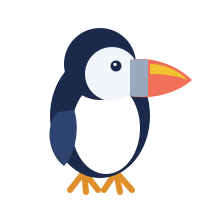 Bay 2: a puffinNumbers inside numbers. Met at lesson 10, Estimate, then count.
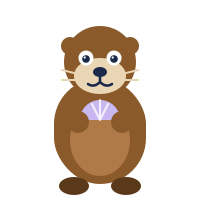 Bay 3: a sea otterAdding and taking away to 10. Met at lesson 16, Number stories to 10.
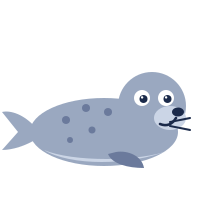 Bay 4: a harbour sealTeen numbers and numbers to 50. Met at lesson 23, Which is bigger, to 50.
 Bay 5: a starfishMaths in your head to 20. Met at lesson 28, Take away to 10.
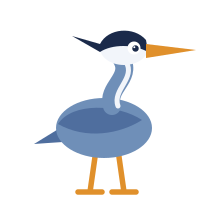 Bay 6: a great blue heronAdding and taking away to 50. Met at lesson 30, Number stories to 50.
 Bay 7: a crabSharing and equal groups. Met at lesson 34, Which share is bigger?.
 Bay 8: a moon jellyfishPatterns and the equals sign. Met at lesson 38, Same or not the same?.
 Bay 9: a sea lionSorting, graphs and chance. Met at lesson 42, Impossible, possible, certain.
 Bay 10: a salmonShapes and where things are. Met at lesson 47, Give the robot its code.
 Bay 11: a humpback whaleMeasuring, the calendar and money. Met at lesson 51, Canadian coins.
Questions parents ask
How is this different from Phonics Made Easy?
Phonics is a deck of cards you hold up. Maths is a game you sit down and play together for five minutes. The phone stays in your hand in both: it tells you the game and gives you the next prompt, and your child answers with their voice, their fingers, a few crackers or a toy.
What is the journey poster?
One page for the fridge. The pod swims up the coast through eleven bays, one for each unit, with a stop for every lesson. After each game your child colours in the stop. At the end of each bay the pod meets a new friend, which your child names and adds to the pod. Print the poster once; nothing is saved on the phone, so nothing is ever lost.
Does my child have to touch the screen?
No. You hold the phone and tap. Your child counts, claps, shows fingers, moves things on the table and tells you the answer.
Are there points or streaks?
No. The pod only ever moves forward, and missing a week costs nothing. The reward is the next stop on the fridge and the next friend.
Is this Grade 1?
Yes. Every game is built on the Ontario Grade 1 Mathematics curriculum (2020): numbers to 50, facts to 10, mental maths to 20, patterns, data, shapes, measuring, the calendar and coins. The weekly pack goes further on purpose; the games teach the foundation it rests on.