10 ways to help your kids build healthy digital habits
In short. Healthy screen habits for young kids come down to a few routines, and none of them need a stopwatch. Keep devices out of bedrooms and off for the hour before bed, give screen time a clear start and finish, choose calm content from a short list you control, watch together when you can, never use a screen to end a meltdown, turn off background TV, protect one screen-free hour at the same time every day, put your own phone down at dinner, and make sure the other rewards in the day are real. These are the routines Canada's paediatricians recommend, with the research behind each one and how we do it at our house.
After this week's post on dopamine and screens, a few parents asked the obvious next question: if the dopamine story isn't the answer, what do we actually do about screens at home? Here are the ten things that work at our house. Each one comes with the reason it works, and with the research, because I didn't want to add to the pile of screen-time advice that's really just one parent's opinion. And where I've got it wrong myself, I've said so.
One thing to know before the list. The Canadian Paediatric Society doesn't give school-age kids a daily number. It gives parents four jobs: manage screen use, make it meaningful, model it yourself, and monitor for trouble. Every habit below sits under one of those four.
1. Devices charge in the kitchen
Nothing with a screen sleeps in a child's room. The CPS says it plainly: screens in the bedroom "interfere with sleep duration and quality." And it isn't only the using. A meta-analysis of 125,000 children found that merely having a device in the bedroom, switched off, was linked to worse sleep. The charger lives on the kitchen counter, and that's where every device goes at night, including mine.
2. Screens off an hour before bed
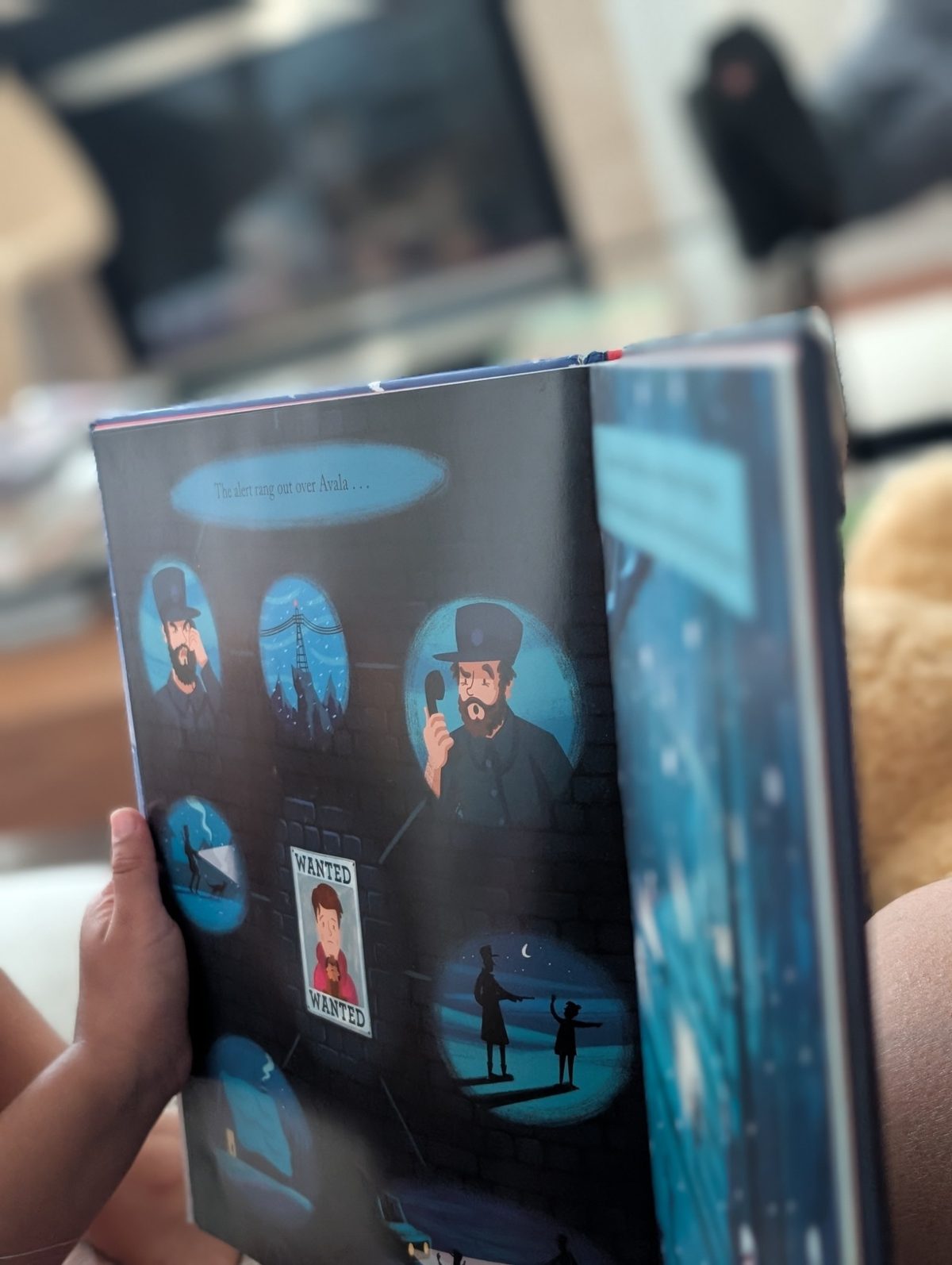
The best-supported finding in the whole screen literature is about bedtime. Screens in the last hour push bedtime later, and both the CPS and the paediatric society's preschool statement say at least an hour off before bed. At our house that hour is bath, pyjamas, a book, long cuddles, our daily gratitude and affirmations, and then lights out. The tablet has nothing to do with any of it.
3. Give screen time a start and a finish, and skip the stopwatch
I don't count minutes, and neither do Canada's paediatricians. What works better is a shape. Screen time comes after something, like homework or the walk home, and it ends when the show ends. One movie from start to finish, or one episode, and then the screen goes off. The show is the one saying stop, and a six-year-old can see that coming. The AAP's current guidance, which moved beyond the two-hour rule this year, says the same thing: fixed limits matter less than whether screens are crowding out sleep, play and family time.
4. You hold the list, they choose from it
My daughter has her own profile on Netflix and Disney+, and she picks what she watches from it. That's a real choice for her and real control for me, because I built the profile.
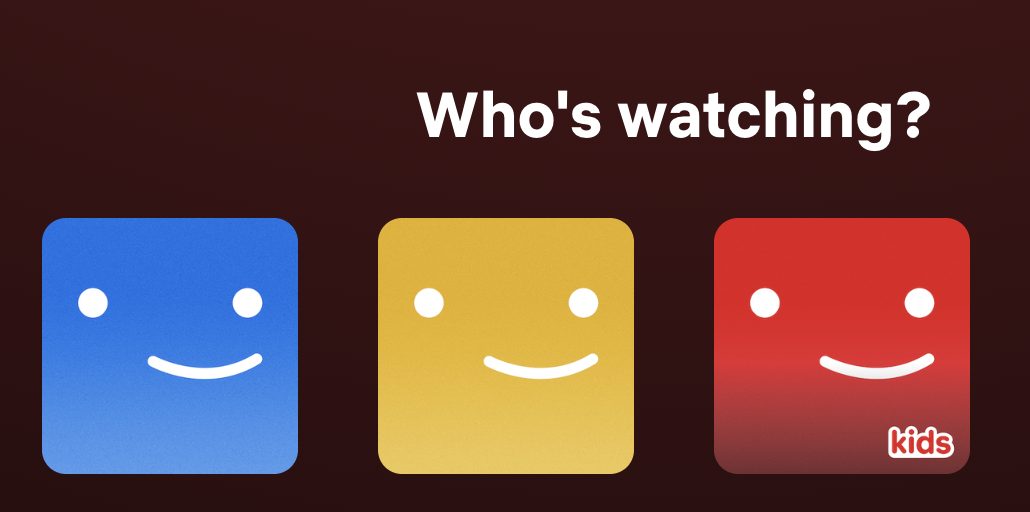
There's one more rule: anything new, she checks with me first, and we usually watch the first one together so I know what it is. The list is calm, story-shaped content with a beginning and an end.
YouTube is a no, with one exception for things that are actually educational. I like Mark Rober's science videos, for example. But even he drifts into chaotic collaborations with other YouTubers, often teenagers, and I've had to stop a video halfway and explain that an experiment can be clever and still not be for six-year-olds. Shorts are banned, full stop.
The research backs the calm part. Educational content is linked to better language, and what seems to tire a young brain in the short term is frantic, impossible content rather than screens as such.
5. Watch together and talk about it
When I can, I'm on the couch too. Watching with your child and talking about what's on screen is linked to better language, and an adult alongside improves what young children learn from media. The CPS asks for exactly this: "co-view and talk about content."
Our version is the movie date. Her first one was Paw Patrol in a real theatre when she turned four, and the popcorn was at least half the point. We try to do one every quarter. It's screen time, and it's some of the best time we spend together, because it has a story, an ending, and the two of us talking about it on the way home.
6. No screen for a meltdown
I've never used a screen to end a meltdown, and I understand completely why people do. A lot of my own family have. A tablet works in about four seconds. I have used one in a medical emergency, when she needed an IV and the nurse asked for a distraction while the needle went in, and I'd do that again. I don't count that.
For emotional meltdowns, we hug first. Or we give her space, and hug once she's through it. Talking or correcting in the moment never helps, so we both stay quiet, bring the temperature down, and talk about it the next day when she's ready to understand. Sometimes that conversation is about my mistake, because a meltdown can start with a parent who didn't listen.
The research backs this up. A study of 422 preschoolers found that parents who habitually calmed an upset child with a device saw more emotional reactivity six months later, especially in boys. The researcher's explanation: a distraction doesn't teach the child a skill for next time. The CPS preschool statement warns about the same thing, "overdependence on screens for emotion regulation."
7. Turn off the TV nobody is watching
I'm guilty here. For years I had my own shows playing on my phone while I cooked or cleaned, and it took me a while to realize what that was teaching her: a screen on in the background is normal. I've got better over the last two or three years, and the rule now is that if anyone else is in the room, my phone and my Netflix are off.
The research is clear on this one. Background TV, on while everyone does something else, is linked to worse language in young children, and lab studies find parents say fewer words to their kids when it's on. The CPS asks whether screens are "off when not in use, including background TV."
8. Protect one screen-free stretch, same time every day
The CPS asks families to keep daily screen-free times, and this is the habit that changed the most for us. Here's what our evenings look like.
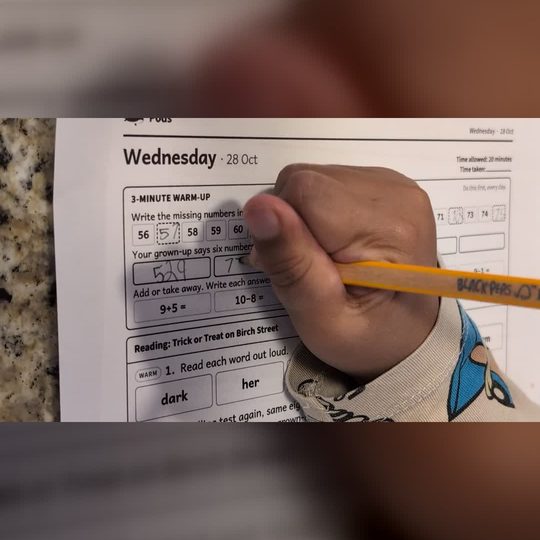
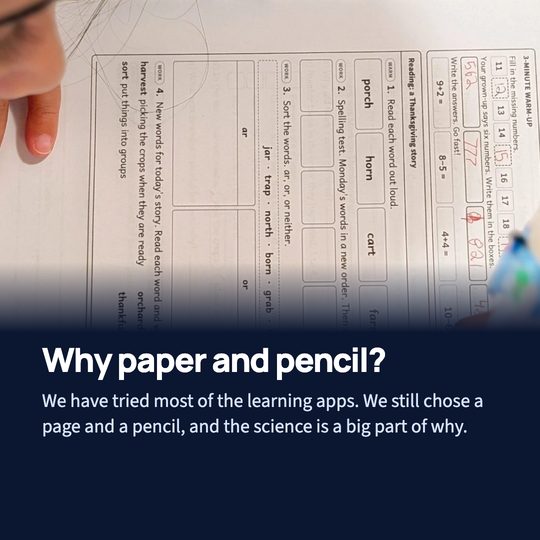
We're home from school and work around 5:30. The first fifteen or twenty minutes are the three of us catching up on the day, with our full attention on each other and nobody chasing the next chore. By six I'm busy with dinner, and she's at the kitchen table behind me doing her homework, or the two-page worksheet I built for her, which is how Orca Pods started. Sometimes Dad sits with her, sometimes she works on her own and calls me over. We wrap up by 6:30. Then it's thirty minutes at the park or on the bike with Dad, or games and puzzles at home if the weather's bad. If Dad's busy or we're both tied up, that's when she gets her thirty minutes of Netflix, before dinner at seven. Bed by 8:30.
The screen only comes in after the catch-up, the practice and the park, and only on the days we need it. From 5:30 to 6:30 it's never the option, and because that's the same every day, nobody argues about it.

If you want the two pages we use, they're free below, and this week's pack is a pumpkin vote. A puzzle, a book or Lego does the same job.
Get this week's pack
Week 6: Kind Words, Kind Hands. Two pages a school day, the punchcard and the handbook, in one free download.
Download the free pack9. Put your own phone down at dinner
Kids copy what they see. The CPS's third job for parents is "model," and the AAP calls parents "an important role model" for digital habits. Dinner is phone-free at our house. I'll be honest about the order it happened in: I had to train her dad first. Now when either of us slips, she's the one who points it out.
10. Make the other rewards real
If the tablet is the most fun thing in the house, it wins, every time. So the real job is building a day where it isn't. That means having something ready that feels good before the screen gets asked for, and it doesn't need to be elaborate. Yesterday she came home from school and we made keychains at the table for half an hour. Then she did her homework and the worksheet, we had dinner, and she went to bed. Nobody asked for a screen.
Other things that work for us: a bike ride, baking, a race down the hallway, fifteen minutes of cuddle time or reading together on a day when I'm not rushing through dinner, bath and clean-up. Psychologist Jacqueline Nesi's advice to parents on screens and the brain ends with "plenty of other rewarding activities", and that's what this habit is about. Honestly, this one is the hardest to keep up, because the hours between pickup and bed are the busiest of my day. But when it slips, screens fill the gap.

How to know if it's working
The CPS's fourth job is to monitor, and it names the signs: complaints of boredom or unhappiness without a screen, fighting every limit, and screen use that cuts into sleep, school or play. If you see those, tighten the habits above. If you don't, you're doing fine, whatever the minute count says.
You don't need a detox or a chart on the fridge for any of this. You need a few routines that run without a daily argument, and enough good things in the day that the screen is just one of them.
Questions parents ask
Screens are already a daily fight at our house. Where do I start?
Start with the two that don't need negotiation: devices charge outside the bedroom, and screens go off an hour before bed. Those are house rules, like seatbelts. Then add the clear finish (habit 3) and the screen-free hour (habit 8). Expect a rough week. The Canadian Paediatric Society lists "opposition to screen time limits" as a sign to tighten up, so pushback is a reason to hold the line.
What about older siblings who get more screen time?
Different rules by age are normal and kids understand them, as long as the rules are said out loud. A family media plan with each child's rules written down takes ten minutes and ends a lot of arguments.
Should I reward my child for using screens less?
Reward the thing you want more of, and let the screen be what it is. At our house the prizes go to the twenty minutes of learning, the weekend job, and showing up. Screen time isn't a prize or a punishment, which keeps it from becoming the most valuable thing in the house.
Is a "screen-free week" worth doing?
As a reset of habits, yes. As a brain reset, no, and that's covered here. The useful part is that a week off breaks the cues and gives bike rides, books and board games a chance to feel fun again. Plan what fills the time before you start.
My child's school uses tablets. Does that count?
Guidance treats school screen use differently from recreational screen use, and Canada's two-hour movement guideline is for recreational time only. What matters at home is what happens after school: the routines above, and the hour before bed.